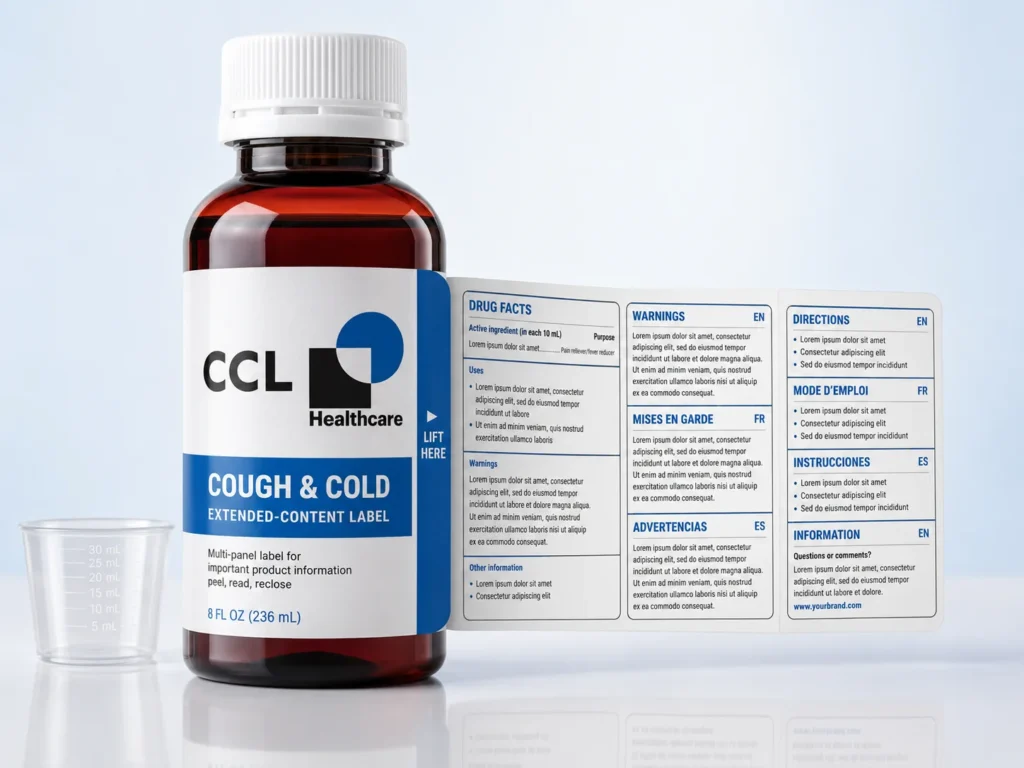
Extended-Content Labelsfor OTC Products
Are you ready to step into the future of packaging and labeling solutions? Look no further – we’re excited to invite you to an exclusive event that promises to reshape the way you think about product presentation and patient engagement. Prepare to be amazed by cutting-edge technology, innovative solutions, and a vision that’s set to transform the pre-filled and injectable market.
Designing OTC Packaging for PPWR – and What Comes Next in North America
Are you ready to step into the future of packaging and labeling solutions? Look no further – we’re excited to invite you to an exclusive event that promises to reshape the way you think about product presentation and patient engagement. Prepare to be amazed by cutting-edge technology, innovative solutions, and a vision that’s set to transform the pre-filled and injectable market.
5 Smart Packaging Trends to Watch
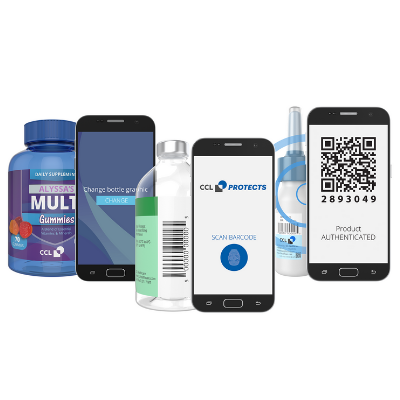
5 Trends to Watch in Healthcare Smart Packaging Technological advancements have fueled the emergence and growth of smart packaging, changing how products are manufactured and distributed. In particular, the pharmaceutical industry has adopted smart packaging in various ways. Smart packaging trends in the pharmaceutical industry reflect this adoption and continued improvements in smart technology, resulting […]
Clear Self Adhesive Labels
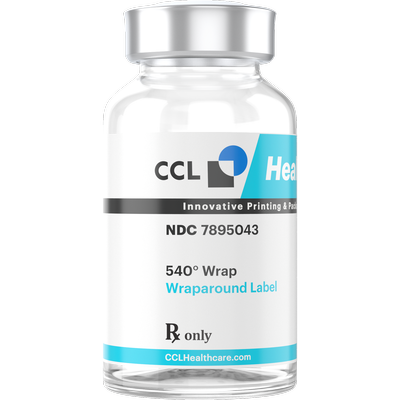
We offer single-ply, self-adhesive labels made from a variety of materials to meet the diverse requirements of our customers. These labels are suitable for a wide range of packaging types, ensuring versatility and adaptability in different applications.
Complete RFID Solutions

CCL e-Agile offers comprehensive RFID solutions, featuring customized high-performance inlays, hardware, software, and a seamless, non-intrusive bolt-on solution for high-speed RFID packaging lines.
Braille Labels
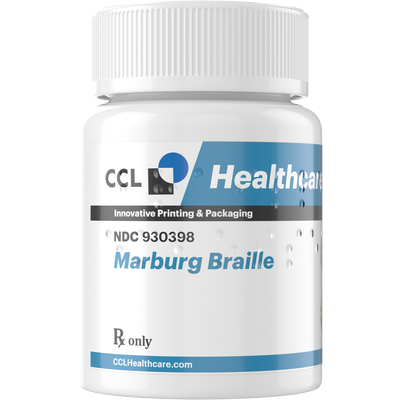
Pharmaceutical braille is a tactile writing system used to label medication packaging for individuals who are visually impaired or blind. Pharmaceutical braille labels are designed to provide important information about the medication, including dosage, administration instructions, and warnings, in a format that can be easily read and understood by individuals with visual impairments.
Pharmaceutical braille labels are typically created using a special printing process that embosses the braille text onto the label material. This process creates a raised surface that can be felt by touch, allowing individuals with visual impairments to read the label with their fingertips.